Two jars of peanut butter sit side by side. One is 16 ounces for $3.49. The other is 40 ounces for $7.99. Which is cheaper? Most shoppers guess the larger jar. Usually they are right — but not always, and the difference is not always as big as it looks.
The quickest way to compare is the unit price printed on the shelf tag. It is one of the most useful tools in the store, and most people ignore it.
Key Takeaways
- The unit price shows the cost per ounce, pound, count or other unit, letting you compare different package sizes and brands.
- Always compare unit prices in the same unit — per ounce vs per pound comparisons are a common trap.
- Bigger packages are often cheaper per unit, but sales, store brands and spoilage can change the answer.
- The unit price only helps if you actually use the product before it goes bad.
What the shelf tag shows
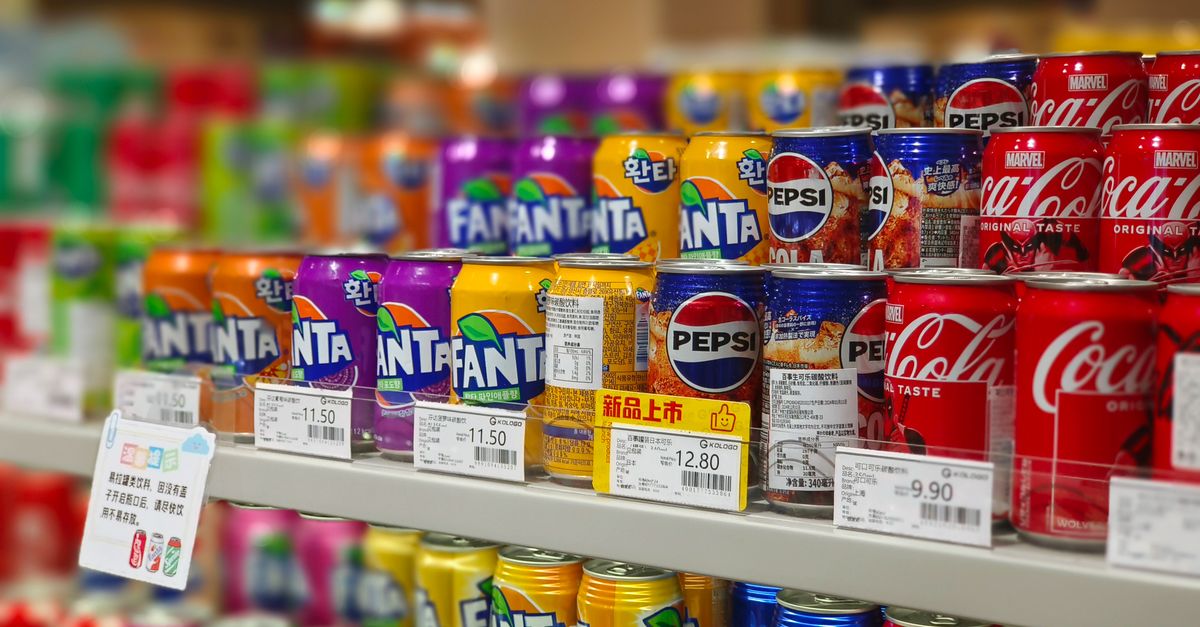
A typical grocery shelf tag includes:
- Retail price: what you pay for the package
- Unit price: the price per unit of measure, such as per ounce, per pound, per count or per 100 sheets
- Package size
- Product description and sometimes a code
The unit price is often in smaller print, in a corner or a separate box. Many stores show it in a highlighted color.
Unit pricing rules vary by state and retailer. Some states require it; others do not. Most large grocery chains display it voluntarily.
Calculating unit price yourself
If a tag does not show the unit price — or you want to check it — divide the price by the quantity:
- 16 oz for $3.49 → $3.49 ÷ 16 = about $0.218 per ounce
- 40 oz for $7.99 → $7.99 ÷ 40 = about $0.200 per ounce
The larger jar is cheaper per ounce, but only by about 8%.
Your phone’s calculator is fine for this. Some shopping apps calculate unit prices automatically.
Trap 1: Different units
Shelf tags for similar products sometimes use different units. One brand of coffee may show price per ounce; another, price per pound. One paper towel product may show price per roll; another, price per 100 sheets.
Always convert to the same unit before comparing. There are 16 ounces in a pound, so $0.50 per ounce equals $8.00 per pound.
Trap 2: “Count” vs actual size
Products sold by count — such as paper towels, toilet paper, diapers or trash bags — vary in size per unit. A “double roll” from one brand may not equal a “double roll” from another. Look for unit prices per square foot or per 100 sheets when available.
Trap 3: Sale prices
Shelf tags for sale items sometimes show the unit price based on the regular price, not the sale price. Check whether the unit price matches the sale price.
Trap 4: Bigger is not always cheaper
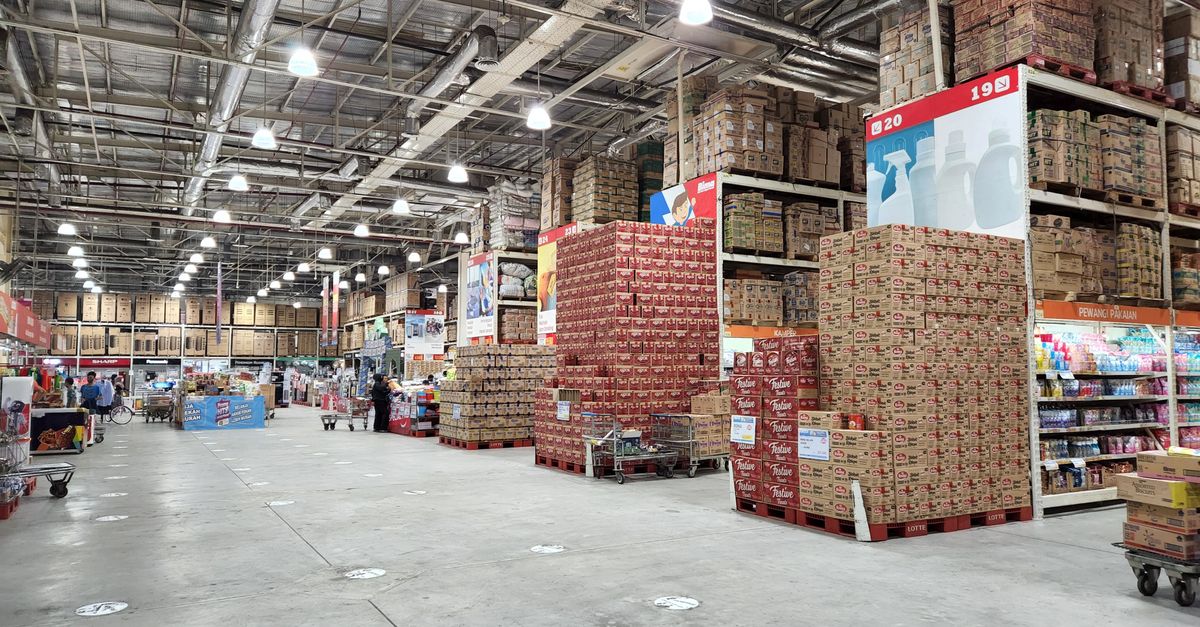
Larger packages are usually cheaper per unit, but not always. Sales on smaller packages, promotional pricing and store-brand items can reverse the usual pattern.
Check the unit price instead of assuming.
Trap 5: Waste
A large package is only a bargain if you use it. If half a bag of spinach goes bad, the effective unit price doubles. For perishables, buy the size you will realistically use.
Using unit pricing to compare brands
Unit prices are also useful for comparing:
- Store brands with name brands
- Different forms of the same food (whole vs pre-cut, block cheese vs shredded)
- Fresh, frozen and canned options
Convenience usually costs more per unit. Pre-cut fruit, shredded cheese and single-serve packs often carry significant premiums.
A quick store routine
- Find the unit price on each tag.
- Make sure the units match.
- Check sale prices against the unit price.
- Consider how quickly you will use the product.
- Choose the lowest unit price you can use without waste.
Frequently Asked Questions
Do online grocery sites show unit prices? Many do. Look for “per ounce” or “per count” near the price.
Is unit pricing accurate? It is usually accurate, but mistakes happen, especially with sale prices. A quick calculation confirms it.
Is the cheapest unit price always the best choice? Not if quality, taste or waste makes the product less useful to you.
Does unit pricing apply to non-food items? Yes. Cleaning supplies, personal care products and paper goods often have unit prices.
The bottom line
The unit price turns guesswork into a simple comparison. Check it on every item you buy regularly, watch out for mismatched units, and buy the size you will actually use.